
I believe government should be an enabler, not the sole provider of cultural activity.
A strong arts sector is built on audiences, entrepreneurs, artists, volunteers, local government, philanthropists and private businesses working alongside government.
The goal is not permanent dependence on grants. The goal is a thriving creative economy that attracts visitors, creates jobs, supports local businesses and enriches community life.
Good arts policy is good economic policy. By lowering barriers, leveraging private investment and supporting sustainable creative enterprises, Victoria can strengthen both its cultural life and its economy.
The arts are not a luxury. They are a major Victorian industry that creates jobs, attracts visitors, supports small business and strengthens communities.
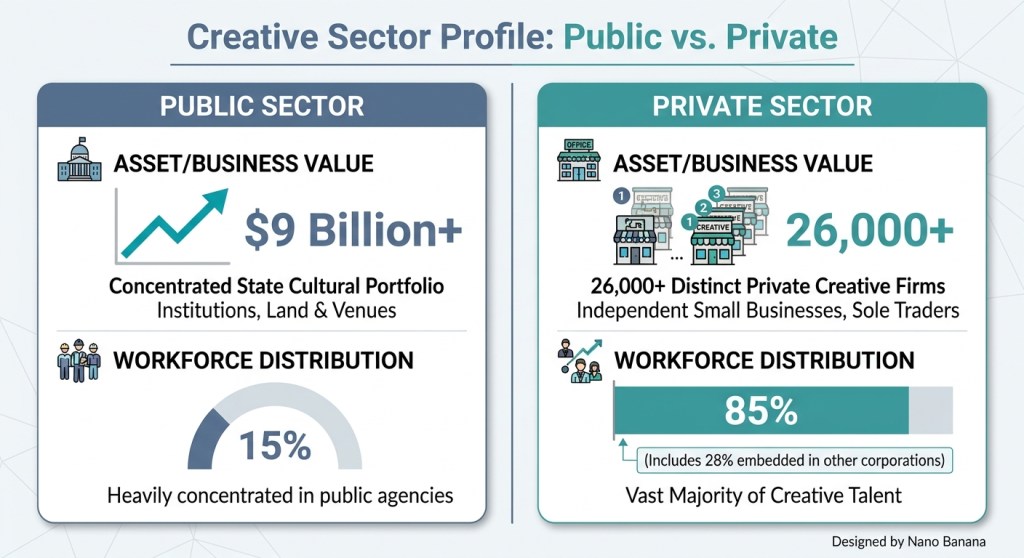
Victoria’s “creative economy” contributes approximately $43.8 billion annually, accounts for 8.5% of the state’s economy, and supports more than 343,000 jobs. Most of these jobs are not in large institutions. They are in thousands of small businesses, sole traders and creative professionals working across sectors from technology and design to live performance and tourism.
1. Support Arts as an Economic Growth Industry
I will advocate for continued recognition of the creative sector as a key part of Victoria’s economic strategy, alongside manufacturing, technology and professional services.
Arts policy should be judged not only on cultural outcomes but also on:
- Jobs created and sustained
- Business growth
- Tourism attraction
- Activation of local activity centres
- Economic benefits flowing to surrounding businesses
2. Make Space Affordable for Creativity
For many artists and creative enterprises, the biggest challenge is not talent or audience demand. It is the cost of space.
I will support:
- Expanded use of vacant government-owned properties for creative purposes
- Discounted and peppercorn leases where appropriate
- Easier access to community venues for performances and exhibitions
- Planning policies that retain affordable creative workspaces in established communities
Lower overheads allow artists and creative businesses to become more financially self-sustaining.
3. Leverage Private Investment
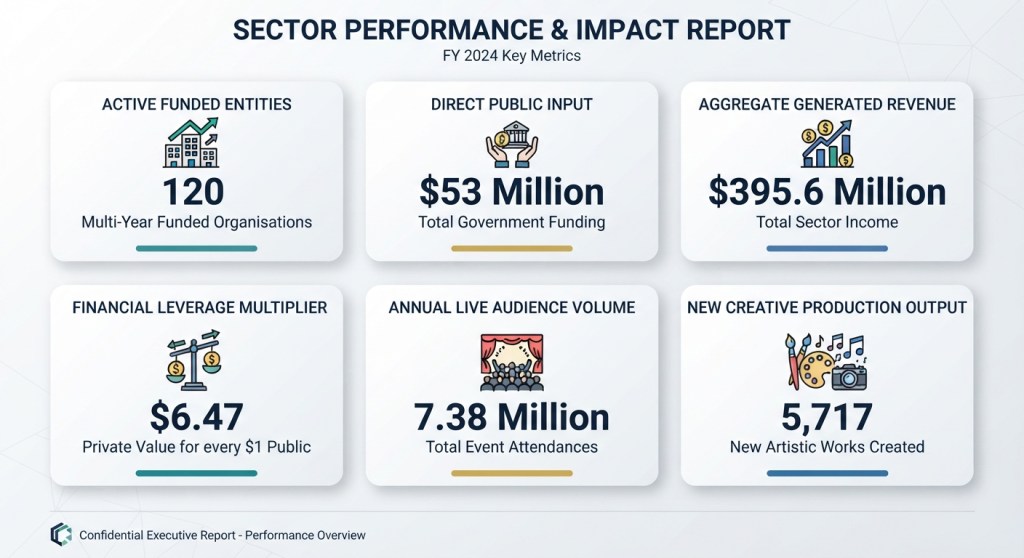
Government funding should encourage private investment, philanthropy and earned income rather than replacing them.
I support:
- Co-investment models that attract private capital
- Public-private partnerships for cultural infrastructure
- Loan guarantee and financing mechanisms where appropriate
- Funding programs that reward long-term financial sustainability
Every public dollar should aim to maximise economic and community return.
4. Strengthen Local and Regional Arts Economies
Creative activity should not be concentrated only in central Melbourne.
I will support:
- Regional galleries and performing arts centres
- Local festivals and community cultural events
- Arts programming that drives visitation to suburban and regional centres
- Partnerships between councils, businesses and cultural organisations
When people attend arts events, they also support local hospitality, retail and accommodation businesses.
5. Use Existing Government Marketing Better
Rather than creating expensive new programs, I support making better use of existing tourism and promotional channels.
This includes:
- Integrating local arts events into tourism campaigns
- Improving discoverability of community events
- Supporting digital marketing capability for small creative organisations
- Better coordination between tourism, economic development and arts portfolios
6. Invest Where Multiple Outcomes Are Achieved
Some arts organisations deliver benefits well beyond cultural participation.
I support targeted investment where programs demonstrably contribute to:
- Youth engagement
- Community cohesion
- Mental health and wellbeing
- Crime prevention and youth justice outcomes
- Skills development and employment pathways
Where arts programs achieve social outcomes that would otherwise require government expenditure elsewhere, supporting them represents good public policy.


Leave a Reply