Category: state-government
-

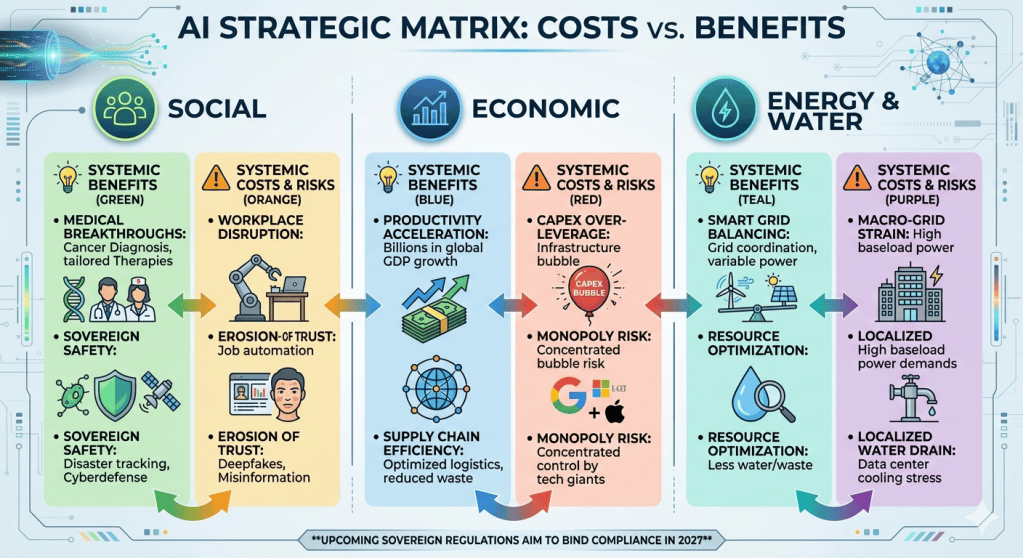
The current public Artificial Intelligence debate suffers from a steady stream of misinformation and hyperbole on all sides. This is a basic background piece on “what is AI?”, “what is a data centre?”, “what is the scale of the electricity demand?”, “is this a boom and what does the bust look like?”, and “what can…
-

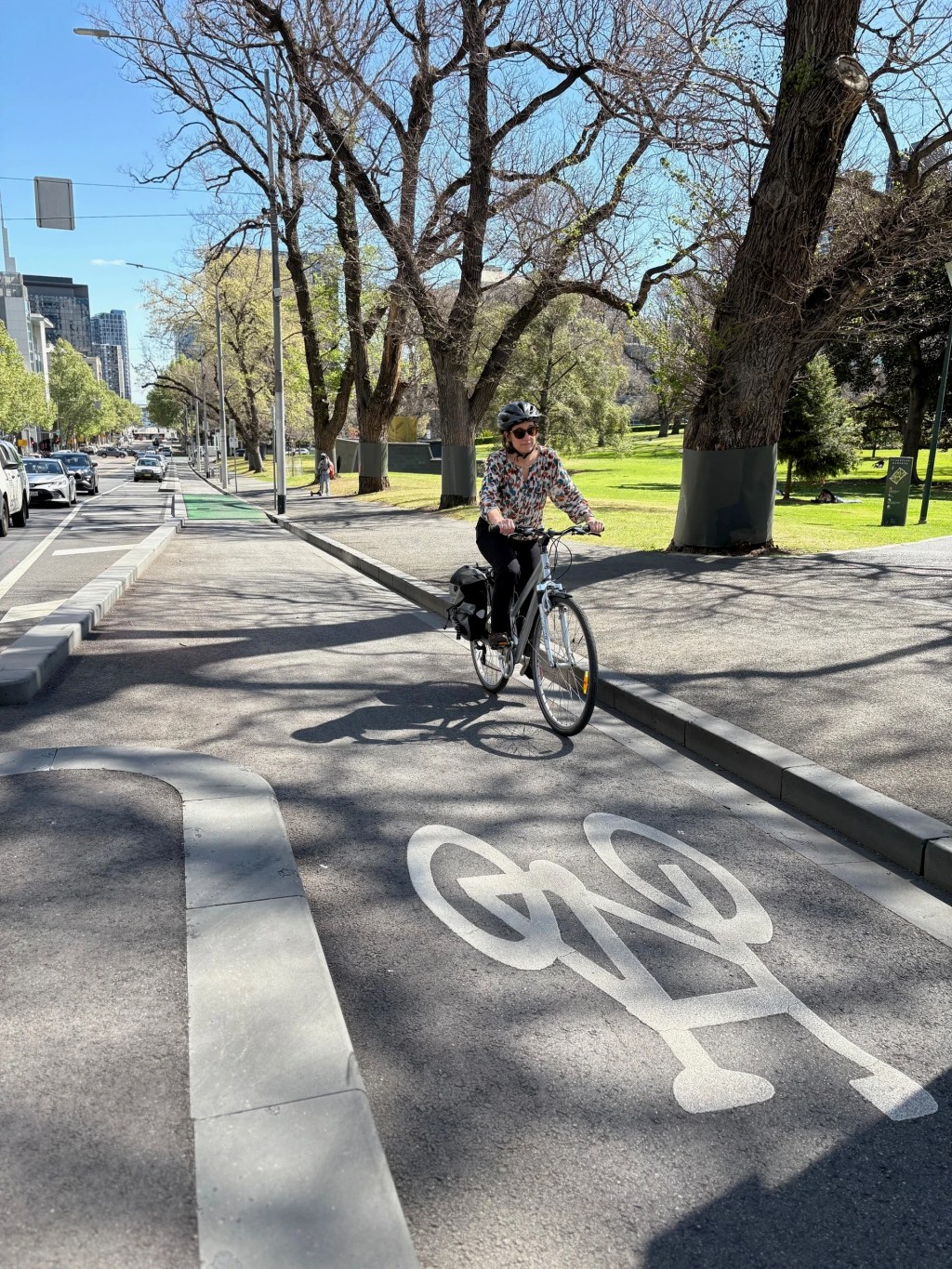
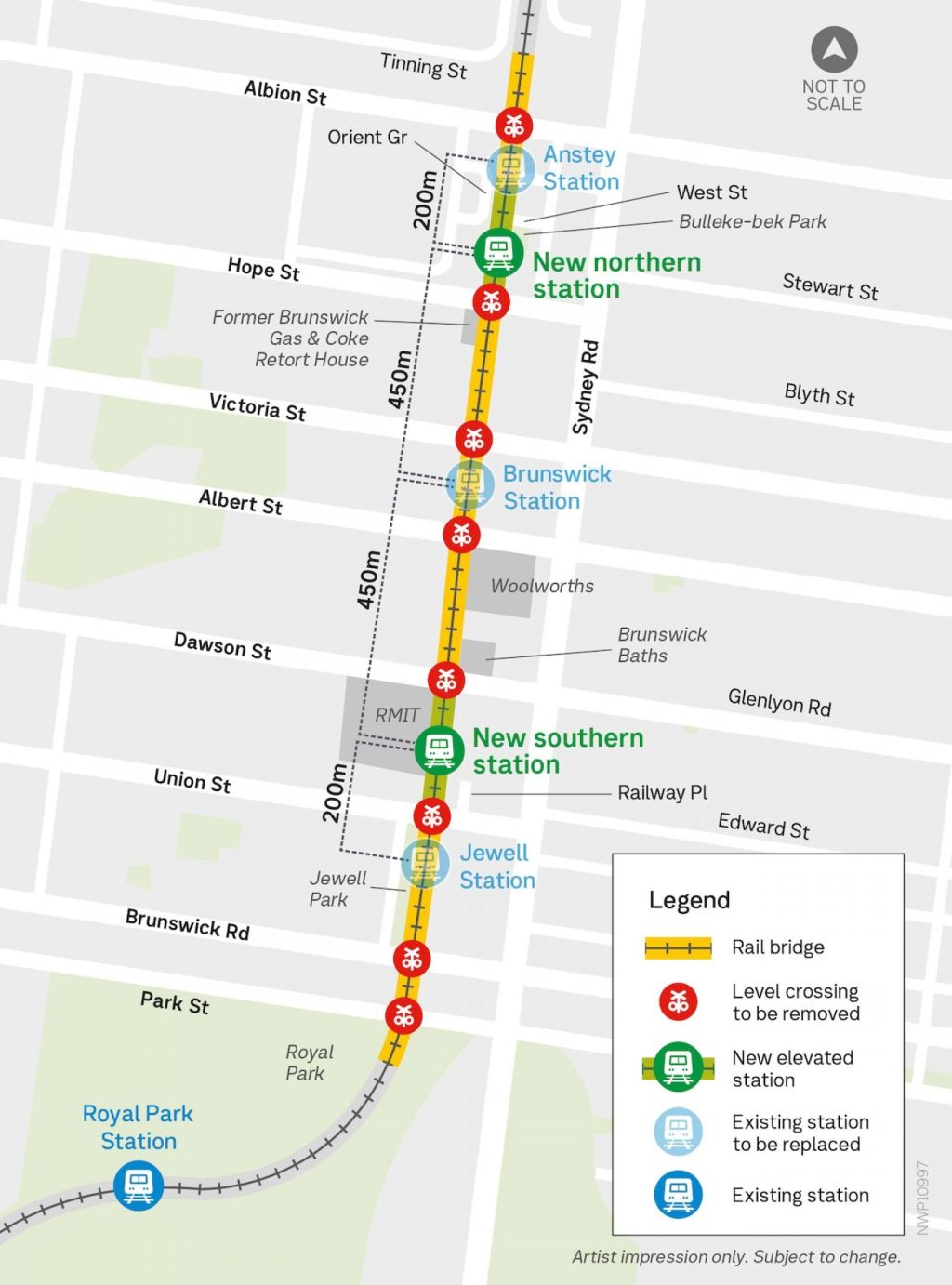
Better Transport Outcomes for Merri-bek and the Upfield Corridor Transport investments must maximise accessibility, reliability, and value for taxpayers while respecting local communities and active transport users. Responsible Infrastructure Investment With the Brunswick Level Crossing Removal Project projected to cost well over $1 billion, I believe major infrastructure projects must demonstrate clear public benefit and…
-

The Productivity Commission’s structural blueprints offer the only serious, evidence-based pathway to erase three-tier administrative waste and protect rural businesses from duplicate compliance loops. Decades of independent economic analysis prove that failing to reform these spaces directly penalises Victorian primary producers. Political parties that block these reforms are actively standing in the way of regional…
-

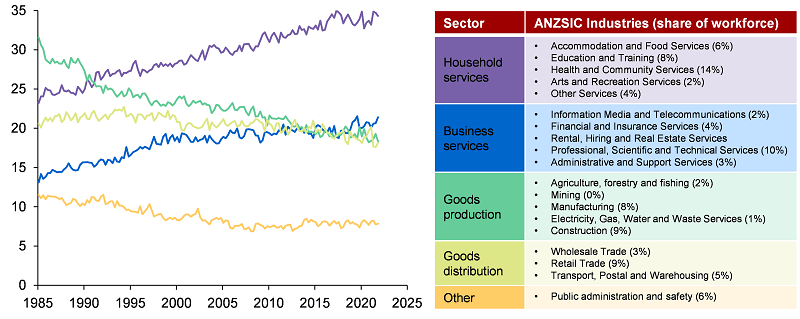
The Victorian economy is experiencing a mixed economic landscape, highlighted by an annual Real State Final Demand growth of 3.5% for the March 2026 quarter. But the Victorian economy faces many structural constraints and headwind risks that need addressing. Over a quarter of all Victorian workers (28.5%) find employment within public-predominant sectors, emphasising the state’s…
-

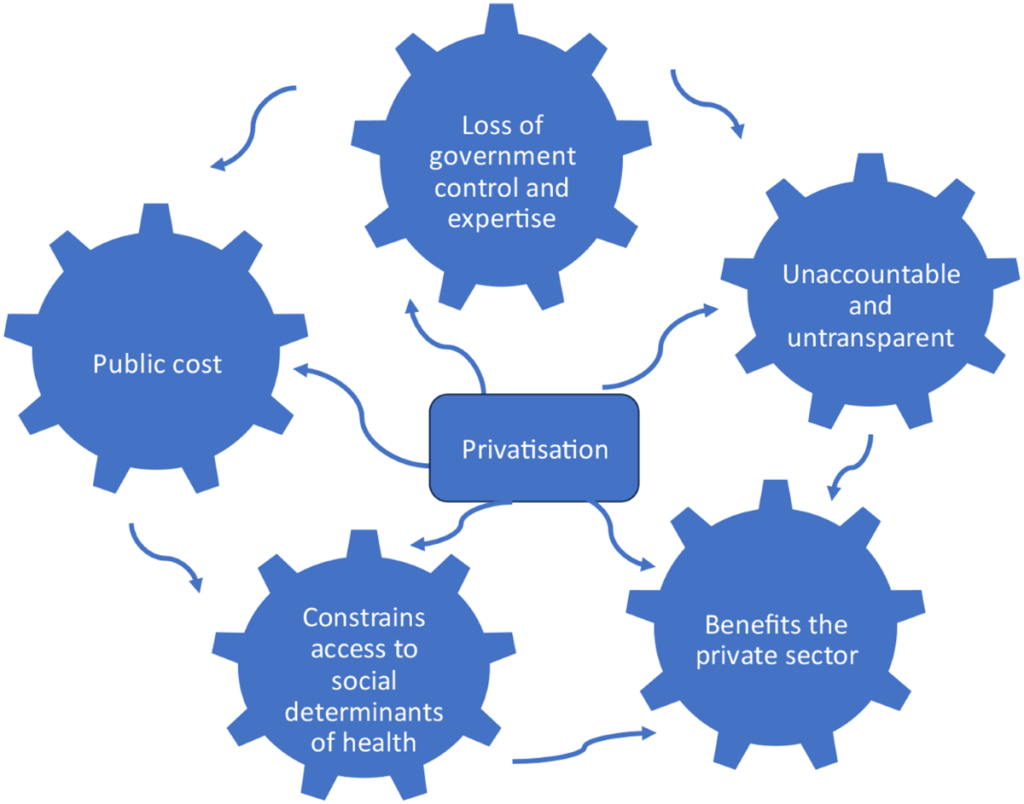
Since the 1990s, successive Victorian governments have corporatised, commercialised and privatised a huge swathe of previously publicly owned assets. Even core regulatory functions, like VicRoads, are now run for-profit by private companies. In many cases, a one off payment was used to pay down debt or fund other infrastructure. In other cases, the outsourcing to…
-

Building a modern, unified emergency response system For more than two decades, Victoria’s fire services have been the subject of persistent political conflict, industrial disputes, and structural instability. Despite the dedication of both career firefighters and volunteers, Victoria’s fire and emergency management system continues to fall short of internationally recognised best-practice models. A modern fire…
-

Victorian councils face a growing imbalance in how local government is funded and managed. Asset-to-Population MismatchMetropolitan councils benefit from large populations concentrated within relatively small geographic areas, allowing infrastructure costs to be shared across many ratepayers. In contrast, rural and regional shires manage vast road networks and extensive public assets with a much smaller ratepayer…
-

Primary producers are on the front line of both climate risk and the clean energy transition. They face the dual challenge of adapting to environmental change while helping Australia meet its emissions reduction goals. Yet confidence in government policy has been undermined by uncertainty, inadequate protections, and a lack of fair outcomes for regional communities.…
-

Victoria can lead Australia in climate resilience by treating public hydration as essential infrastructure. Mandating advanced drinking fountain standards directly combats rising extreme heat, eliminates plastic waste, and protects vulnerable communities. Public hydration into a core climate defence strategy. 1. Public Open Space & Building Standards 2. Universal “Cool-Down” Pet Stations 3. Bottle Filling Stations…
-

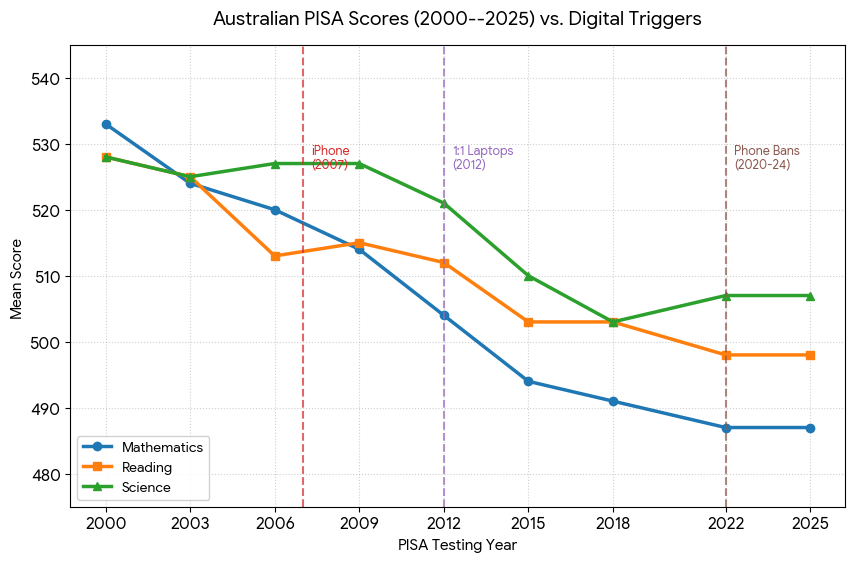
The Victorian teaching profession faces a critical systemic crisis driven by administrative overregulation and fifty years of wage erosion. Decades of bureaucratic intervention have shifted teaching from a localised, classroom-centric vocation into a highly regulated profession burdened by compliance. While primary student outcomes show signs of improvement, secondary student academic results continue a steady decline.…