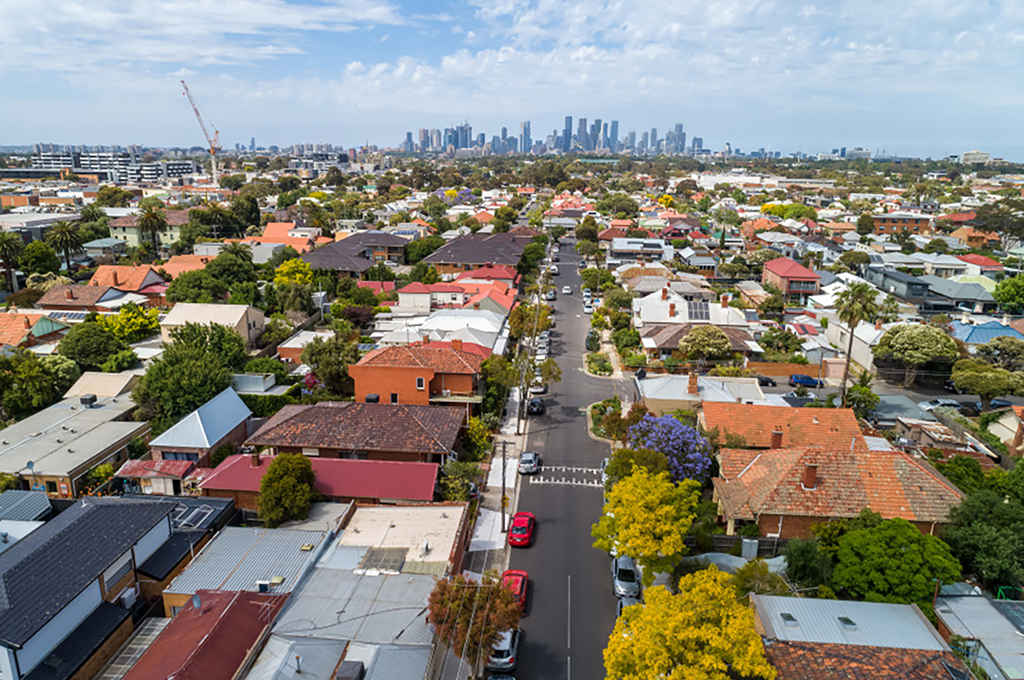
Brunswick has been the epicentre of higher-density development for the past 20 years. The lessons learned here have been applied to “Better Decisions Made Faster”, which effectively strips local councils of their planning roles. Unfortunately, many of the real lessons of increasing density are ignored.
The government must match investment in infrastructure and services alongside population increases. Childcare, public transport, roads, sporting & recreational facilities and open space remain significant pinch points.
The sacrifice of built heritage is implied. Like all of Australia’s other boom periods, we will look back at this fast-paced construction and wonder how we let our built heritage just slip away. The Melbourne Fish Market, Coles Book Arcade, Hoffman Brickworks, Pentridge, Allhambra Theatre, and more famous of lesser known building would now be considered to have massive economic, as well as social and cultural value.
Google backgrounder
The Planning Amendment (Better Decisions Made Faster) Act 2026 significantly shifts planning power from Merri-bek Council to the Victorian State Government. While the state aims to accelerate housing supply, the Brunswick Residents Network (BRN) and local advocates warn this comes at the cost of community transparency and local character.
🏛️ Centralisation of Power
The Act introduces “tiered pathways” that remove Merri-bek’s ability to apply local discretion to many projects.
- Automatic Approvals: If Council fails to meet strict 10, 30, or 60-day deadlines, projects can be approved automatically.
- State Intervention: The Planning Minister can now “call in” or fast-track developments in Brunswick and Coburg Activity Centres, bypassing local height and setback policies.
- Reduced Oversight: Merri-bek’s specific Sustainable Buildings Policy may be superseded by generic state standards to ensure “consistency” for developers.
🛑 Impact on Community Rights (BRN Analysis)
The Brunswick Residents Network argues the reforms create a “democracy deficit” by stripping residents of their right to participate in the planning process.
- No Notification: Under Stream 1 (Low Complexity), neighbors are no longer notified of nearby developments.
- Loss of Appeal Rights: For Stream 2 (Medium Complexity), residents lose the right to challenge decisions at VCAT, removing a vital “safety valve” for poor design.
- Gagging Residents: The BRN highlights that the Act prioritizes “speed over liveability,” making it nearly impossible for locals to contest issues like overshadowing or loss of privacy.
🏘️ Urban Character & Sustainability
Advocates express concern that the “one-size-fits-all” state approach ignores the unique fabric of Merri-bek.
- Heritage Risks: BRN warns that streamlined approvals often overlook the fine-grained heritage detail of Brunswick’s industrial and Victorian-era streets.
- Infrastructure Lag: Faster approvals do not guarantee the parks, schools, or bike lanes needed for increased density, potentially leading to overcrowded amenities.
- Affordable Housing: While the Act allows for affordable housing contributions, the BRN remains skeptical, noting that without mandatory minimums, developers may still favor luxury apartments over social housing.
📊 Summary of Policy Shifts
| Feature | Pre-2026 Policy (Merri-bek) | New State Policy (2026 Act) |
|---|---|---|
| Decision Maker | Merri-bek Council / VCAT | State Government / Planning Minister |
| Public Notice | Required for most multi-unit builds | Abolished for Stream 1 & 2 projects |
| Objector Rights | Residents can appeal to VCAT | Removed for most fast-track streams |
| Deadlines | Flexible (driven by quality/review) | Mandatory (driven by clock) |
| Developer Certainty | Lower (subject to community input) | High (pathway to fast approval) |
📍 Implementation Timeline: While the Act was passed in early 2026, many of the changes to Merri-bek’s local planning scheme are being phased in, with full effect expected by October 2027.
Summarised by Google, with prompts from me.


Leave a Reply