Category: housing

  • Ground Lease Model 1 – $1bn funding for 174 extra dwellings

    Question: What does $911,200,000 in combined State and Federal funding (including some loan facility) get you? Answer: Net increase of 174 dwellings or an increase of 39%. And 0% of these are Public Housing, instead, 100% are managed by Community Housing Providers. Only 45.2% of completed dwellings are social housing. 54.8% of the new structures…

  • Mirvac Albert Street: white elephant or green saviour?

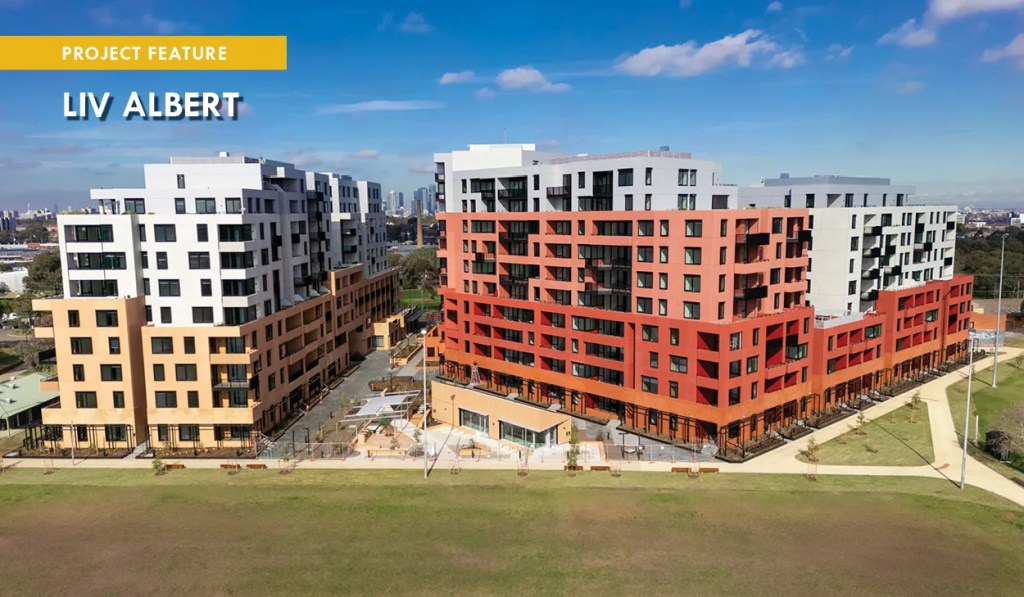
    On paper, this is the perfect Brunswick development – 8.2 star energy efficiency, premium location, encompassing “affordable housing”, targeting 50% of Brunswick residents who rent, with “premium” innercity-style amenities. It’s even backed by the state-owned Green Energy Finance Corporation to show a “new way” in the industry for sustainable green design. 15 apartments are offered…

  • Governments are spending billions on housing they will not own and control – how will public benefits be realised?

    The four “channels” of the $5.3 billion Big Housing Build rely on “Ground Lease Models” and “Public-Private Partnerships” (PPPs), in which private developers manage or lease public land for periods of up to 40 years. In practice, this directs public funding into long-term, highly conditional contracts with private entities. Such arrangements risk failing to deliver…

  • Victoria has a hardwood timber shortage. Projected softwood shortages could impact housing

    The government should act to: Victoria produces around one-quarter of Australia’s total plantation-grown wood. Victoria holds the largest export volume in the country, shipping around 5.3 million m³ of wood products per year. The sector supports over 25,000 jobs (direct and downstream), the largest forestry workforce in Australia, Although Victoria leads the nation in hardwood…

  • Strengthen Victoria’s building regulations for sustainability.

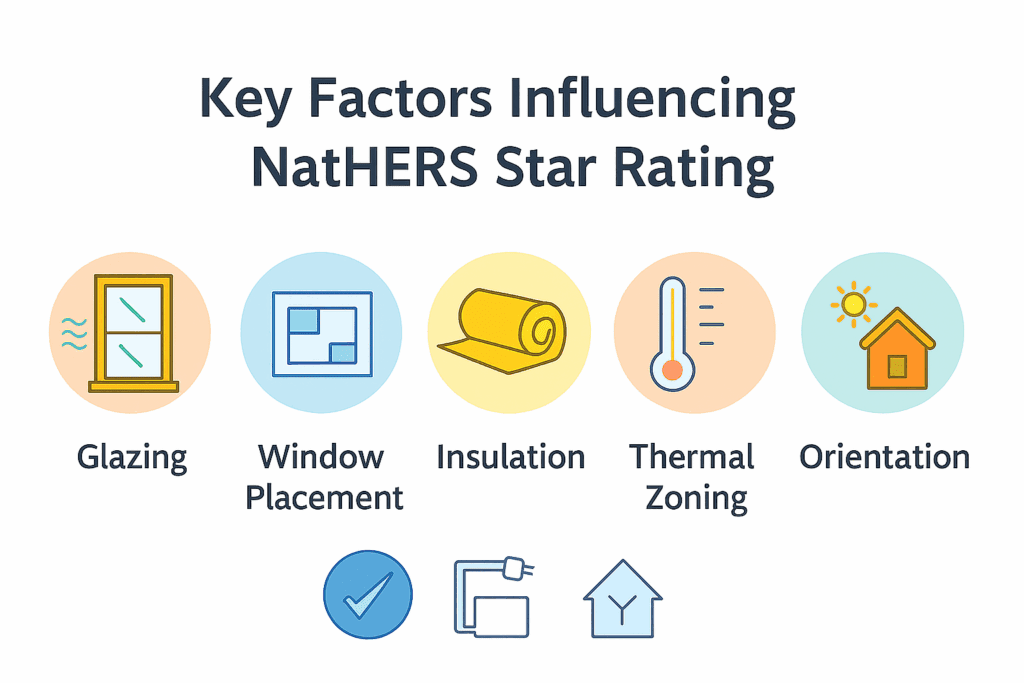
    Local governments have led the way in embedding sustainability into planning. With the State Government now excluding councils from the planning cycle, those sustainability standards are at risk of being eroded. If local oversight is removed, then Building Codes must be substantially strengthened to ensure buildings are genuinely energy‑efficient and climate‑resilient. “Better Decisions Made Faster”…

  • Victorians should be proud of its leading consumer protections for tenants

    Election campaigns are a challenge to the government of the day. In the case of renter protections, the public should be comforted that Victorian protections for renters are amongst the strongest in Australia. While rental protections can’t prevent the inequities in the housing market, they ensure minimum standards and a fairer rental market. See my…

  • Affordable housing as a planning condition is doomed to fail

    Assemble developer is rightly being criticised for reneging on its “affordable housing” permit condition and the State government is to blame. However, the use of the planning scheme to mandate “affordable” housing was doomed to failure from the start. Local councils are attempting to issue permits for new developments that include some affordable housing component.…

  • More housing supply, not enough of anything else

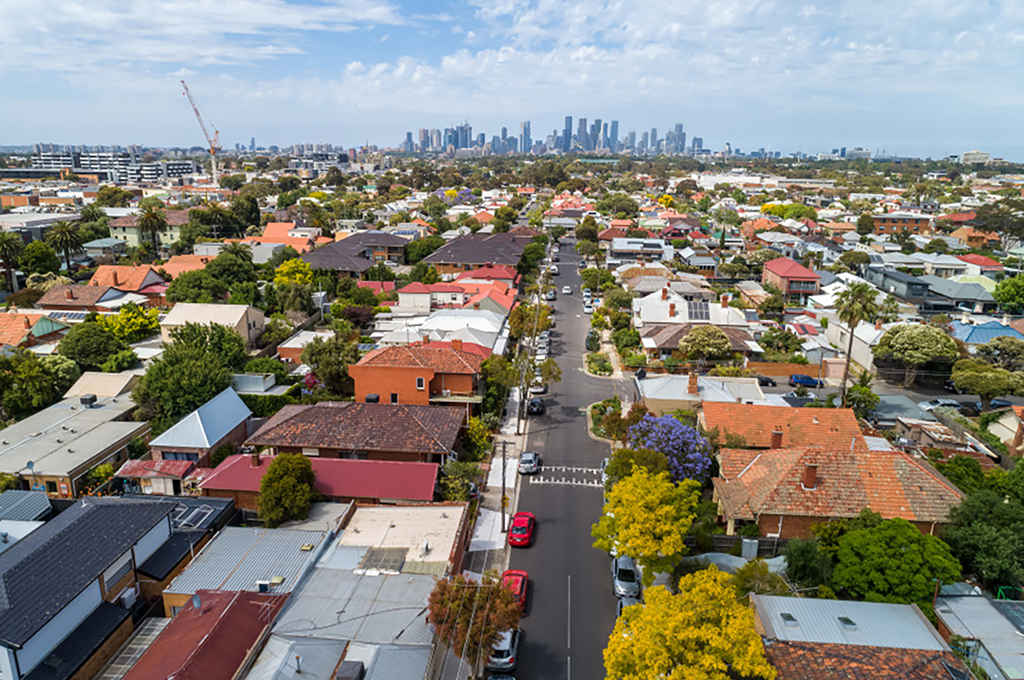
    Brunswick has been the epicentre of higher-density development for the past 20 years. The lessons learned here have been applied to “Better Decisions Made Faster”, which effectively strips local councils of their planning roles. Unfortunately, many of the real lessons of increasing density are ignored. The government must match investment in infrastructure and services alongside…

  • Real-time market information for renters

    Victoria should introduce better price data for renters. The quarterly “Homes Victoria Rental Report” should be expanded and published on real estate listings by: Prospective renters can then see how the listed price compares with the average and median prices in the area. Good quality, timely market information allows renters to more easily evaluate options…

  • Invest in real public housing

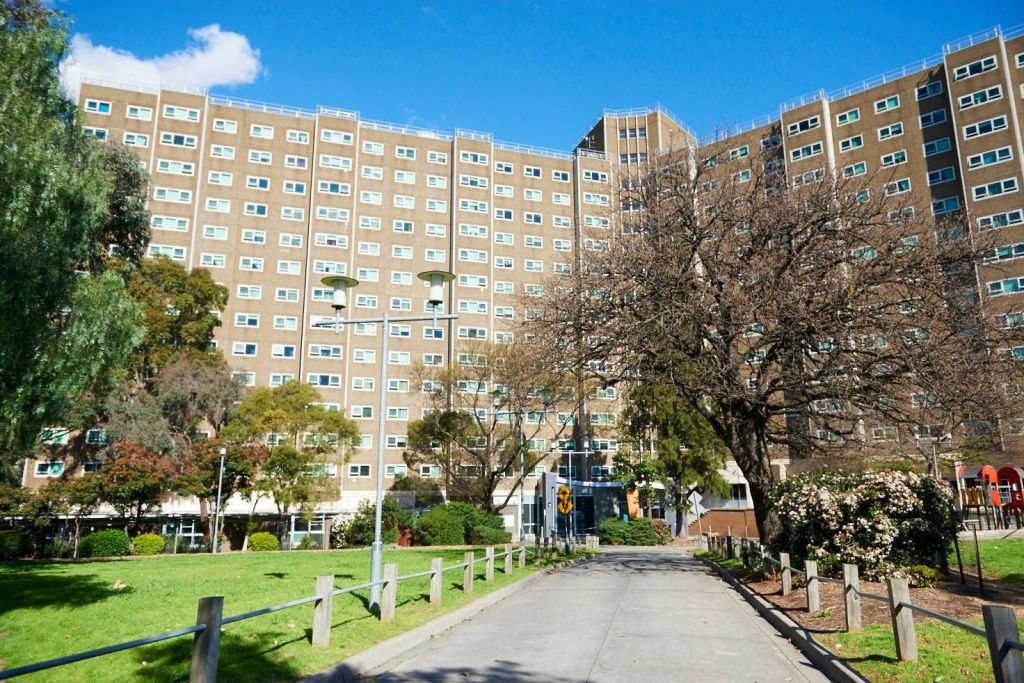
    Not community housing, not cooperative housing, but public housing. Invest in public housing, run by the public, for the benefit of all. Innovations in alternative housing schemes are welcome, but there remain many risks with investing public money or bestowing public gifts on housing solutions that don’t target those most in need. If you’ve been…

  • If we’re serious, we’d do it. Replace Stamp Duty with a Land Tax

    The introduction of broad-based Land Taxes is the “GST of our time” and as such, is deeply unpopular. However, if we are serious about making housing more affordable for young people, then we must directly address distortions in the housing market. Housing affordability for those on lower incomes continues to increase. Think tanks (not me)…

  • Abolish Stamp Duty

    Stamp Duty is a tax on real estate transactions. Abolishing Stamp Duty decreases the cost of buying a property. Not only would abolishing Stamp Duty make housing cheaper, it would also allow people to change their housing more easily. Reducing the cost of property transactions would allow people to upsize and downsize more easily, making…