Category: state-government
-

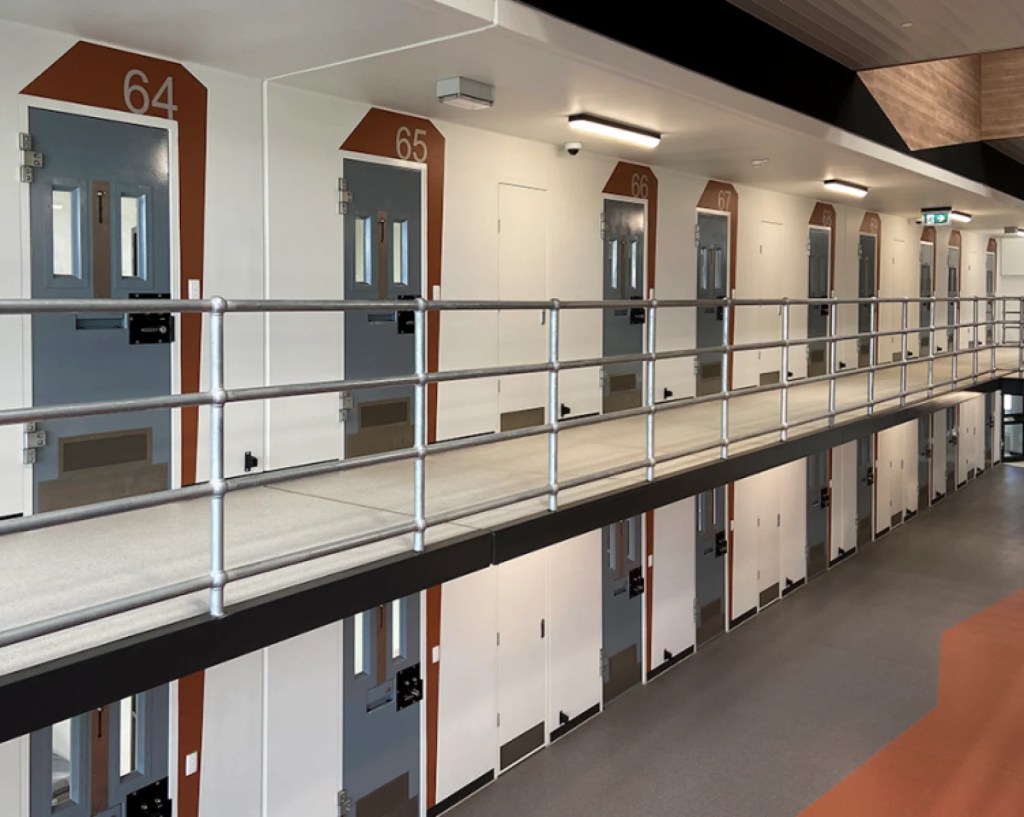
The Status Quo is Fiscal and Social Failure. Victoria’s current “tough on crime” legislative framework compromises public safety, drives government waste, and fails the community. Decades of punitive policy mandates—most notably the “tough on bail” reforms of the 2010s—have doubled Victoria’s prison population, inflated private sector profits, and locked the state into a costly “recidivism…
-

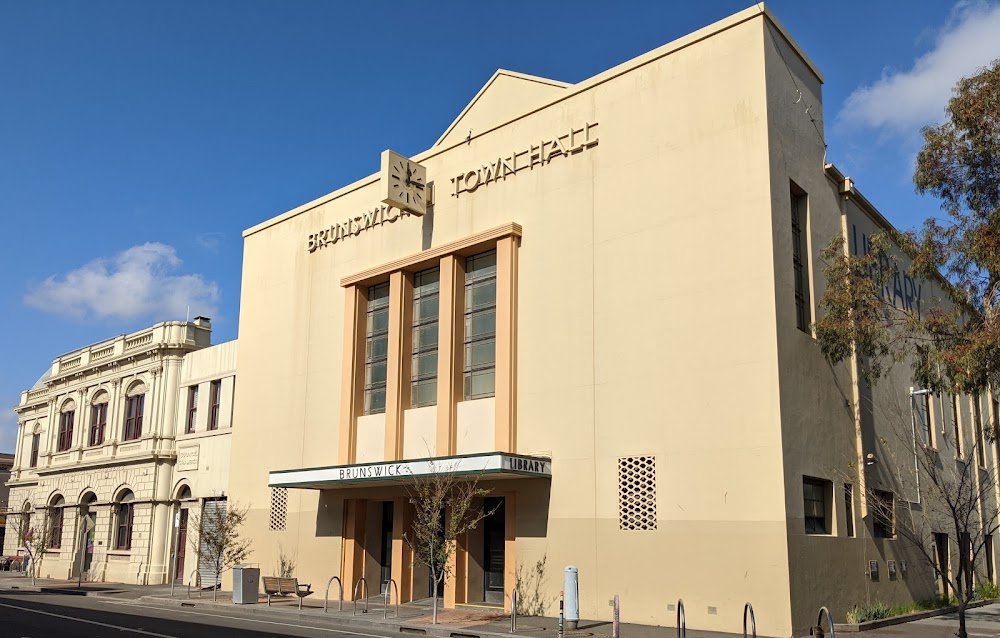
Reforming Victoria’s Public Library Funding Model Over the past five decades, public libraries have undergone a profound transformation. No longer merely quiet, book-lined repositories of information, they have evolved into technology-enabled community hubs that provide digital access, lifelong learning, cultural engagement, social connection, and essential support services. Modern libraries function as critical civic infrastructure and…
-

Victoria gives Google its transport data for free. In return, it charges Victoria to use data about commuters. Does that seem fair to you? We need a better deal from Big Tech for civic planning data. While Google knows the location of any Google Maps user, the State of Victoria is still stuck collecting transport…
-

State and Federal governments are now rushing to undo their last 30 years of state-mandated teaching instruction guidance. For some, this can’t come soon enough. For others, this is just another salvo in a never-ending war that prioritises fads and fashion over teaching practice. Both levels of government share the blame here. Both have mandated…
-

The Federal government should cease its direct funding of the school systems. It should direct those funds back to the states. Its involvement in school funding is expensive, wasteful of taxpayer funds and provides no value to state schooling systems. The Federal government has a key role to play in assuring the system via: The…
-

The Australian Energy Market Operator (AEMO) is responsible for managing the electricity and gas systems and markets across Australia, ensuring Australians have access to affordable, secure, and reliable energy. Visit their website to get facts about electricity and gas prices and demand. / We shouldn’t be arguing about the facts of electricity generation. / https://www.aemo.com.au…
-

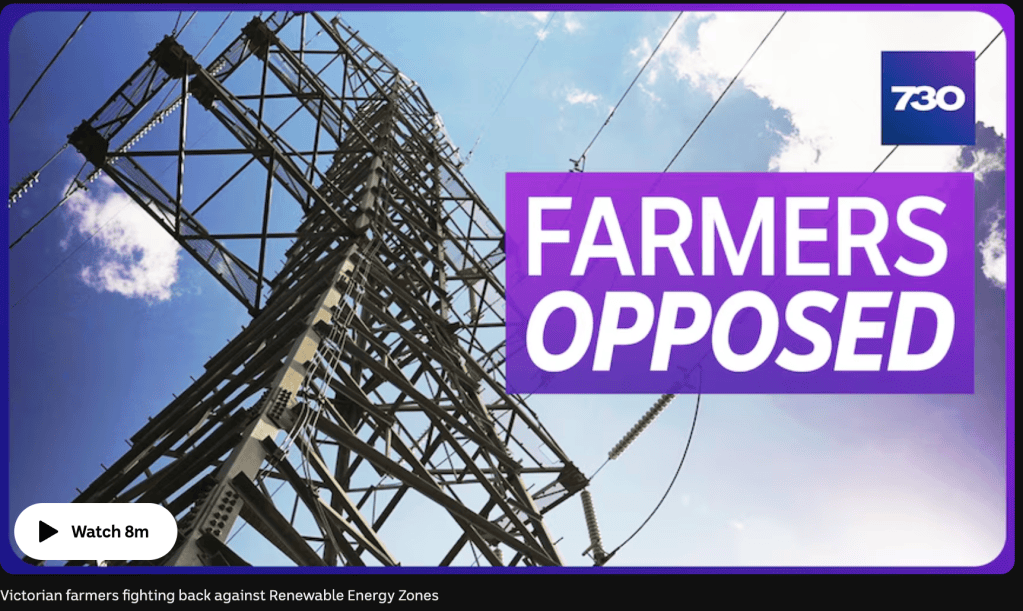
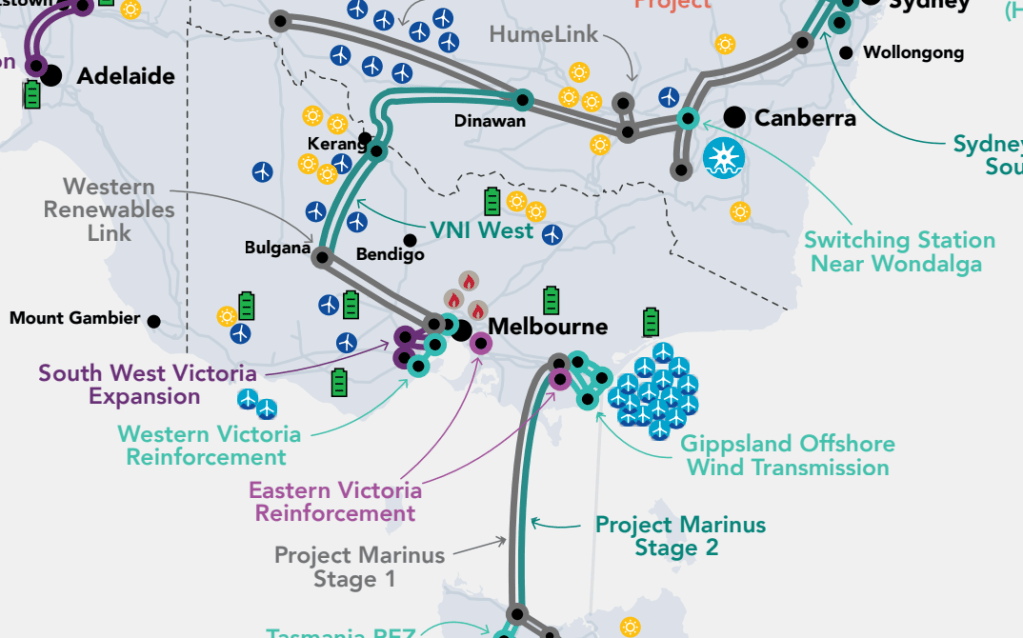
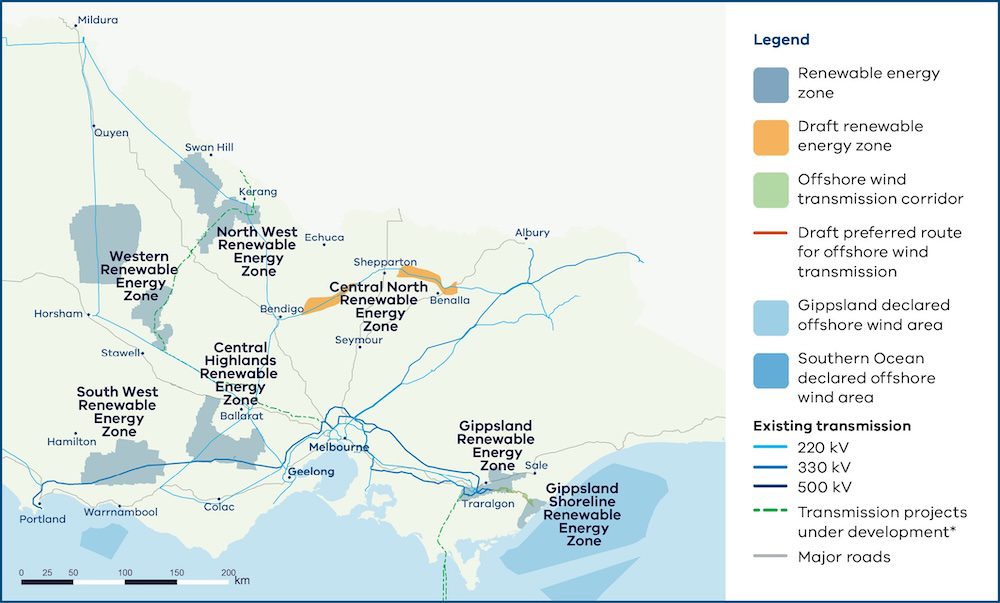
Victoria’s clean energy future depends on the communities hosting renewable energy projects and transmission infrastructure. Rebuilding trust and sharing the benefits must be the government’s first priority. / We should celebrate Victoria’s progress in transitioning to low-carbon energy. But the government has failed to sell the benefits to regional communities impacted by Renewable Energy Zones…
-

Reforming Australia’s Weed Management System / Australia’s current weed management regime is critically inadequate—fragmented across jurisdictions, underfunded, and ultimately ineffective. Without decisive reform, invasive species will continue to degrade the nation’s already fragile ecosystems and impose escalating costs on communities, industries and governments. Weeds represent the second greatest threat to Australia’s biodiversity, after habitat loss.…
-

Supporting a Just and Responsible Transition in the Latrobe Valley The Latrobe Valley communities of Traralgon, Moe, Morwell and Churchill have long powered Victoria’s economy. Today, they stand at the frontline of profound structural change driven by energy privatisation, the closure of the Hazelwood power station, and the impending shutdowns of Yallourn and Loy Yang.…
-

The key to workforce retention and teacher quality is simple. Focus on productivity. Do more of what saves time and do less of what wastes time. Provide high-quality curriculum materials directly to both teachers and students to reduce the “planning cottage industry.” Ensure resources are widely accessible to minimise time spent on photocopying, and close…
-

Despite more than 20 years of “Quality Teaching” frameworks—including AITSL standards and mandatory professional development—student outcomes continue to decline. At the same time, the demands on teachers have steadily increased. Compliance requirements around professional learning, student data collection, and constantly changing reporting expectations consume significant time and energy. Add to this continual curriculum revisions, increasingly…
-

Australia’s school system is weighed down by a fundamental structural problem: responsibility and control are split between two levels of government. The result is predictable—duplication, inefficiency, and constant blame-shifting. The solution is equally clear. The Federal Government should step back from direct involvement in school education and return to a focused role: setting benchmarks, monitoring…